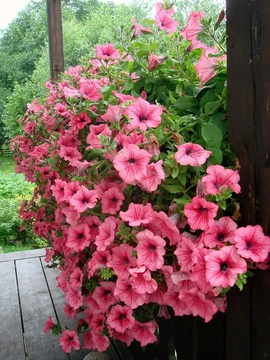
Chrysanthemum
A late-season flower symbolizing autumn, cultivated for centuries in East Asia.

Chrysanthemums (kriss-AN-thə-məmz), sometimes abbreviated to mums or chrysanths, are perennial herbaceous flowering plants in the family Asteraceae that bloom in the autumn. Native to East Asia, most species originate from East Asia, with the center of diversity in China. Thousands of horticultural varieties and cultivars exist, and the genus has been cultivated for centuries, notably in China and Japan, where it holds deep cultural significance.
- native_region
- East Asia
- first_cultivation
- 15th century CE in China
Lore & Background
Chrysanthemums were first cultivated in China as a flowering herb as far back as the 15th century CE. The plant is one of the Four Gentlemen in Chinese and East Asian art and is particularly significant during the Double Ninth Festival. In Japan, cultivation began during the Nara and Heian periods (early 8th to late 12th centuries) and flourished in the Edo period (early 17th to late 19th century), leading to a remarkable variety of flower shapes. The imperial crest of Japan is a chrysanthemum, and the monarchy is called the Chrysanthemum Throne.
Reader's Guide
Chrysanthemums hold significant cultural, ornamental, and practical importance. In East Asia, they symbolize nobility, adversity, and grief depending on color and context, and are central to festivals like Japan's Chrysanthemum Day (9th day of the 9th month) and China's Kaifeng Chrysanthemum Cultural Festival. Beyond aesthetics, chrysanthemums are used in cuisine—such as chrysanthemum tea in China and rice wine in Korea—and as a natural insecticide source (pyrethrum). The NASA Clean Air Study also found they reduce indoor air pollution.
Did You Know?
- The name 'chrysanthemum' comes from Ancient Greek words for 'gold' and 'flower'.
- Chrysanthemums were first cultivated in China as early as the 15th century CE.
- The imperial crest of Japan is a chrysanthemum, and the monarchy is called the Chrysanthemum Throne.
- Pyrethrum, a natural insecticide, is derived from chrysanthemum flowers.
Ancient Chinese Origins and Medicinal Legacy
For over two millennia, the chrysanthemum has held extraordinary significance in Chinese culture, long before reaching European soil. Its earliest role was medicinal rather than decorative. The foundational pharmacopoeia, the Shennong Ben Cao Jing, placed it among the highest tier of therapeutic substances, linking it to the ancient pursuit of immortality. Prolonged use was said to unblock the circulation of blood and qi, ease the body, retard ageing, and extend life. The concept of "lightening the body" was tied to the mythological ideal of celestial Immortals who could soar and ride the clouds. It was not until the Jin and Tang dynasties, around the fifth century, that the chrysanthemum was cultivated as an ornamental, though it continued to serve dietary purposes. Centuries later, herbalist Li Shizhen documented a hundred cultivars, noting their ability to dispel heat and toxins and sharpen vision. By the early twentieth century, roughly two thousand cultivars were known in China.
European Discovery and Botanical Taxonomy
The chrysanthemum's journey into European botanical science unfolded over more than a century. Though the flower had been known in the Netherlands since the mid-seventeenth century, widespread horticultural adoption did not occur until the 1800s. Ramatuelle carefully distinguished this new cultivar from Linnaeus's Chrysanthemum indicum, which bore small yellow heads, and proposed the name Chrysanthemum morifolium. The horticulturist Wilhelm Miller later clarified that the florist's chrysanthemum was a blended product of C. indicum and C. morifolium, both wild species native to China and Japan. Today the global complex of cultivars is estimated at twenty to thirty thousand, with more than a thousand varieties established in Europe alone since the nineteenth century.
Physical Form and Botanical Structure
The chrysanthemum grows as a perennial herbaceous or slightly woody plant, typically reaching thirty to ninety centimetres in both height and spread, with upright stems forming a dense, rounded tuft. Its branches are silky and covered in a fine short down, giving the whole plant a thick, leathery texture. The leaves are the most reliable identifier of the species: broad and ovate in outline, wedge-shaped at the petiole, and exceeding one hundred and fifty millimetres in length. Lower leaves are deeply plumed, while those higher on the stem become increasingly entire. They are alternate, lobed, pinnatifid, and toothed, fleshy in texture, and dusted with grey hairs. When crushed or wrinkled, they release a strong, distinctive scent. The flower heads are radiate, composed of peripheral female florets with zygomorphous ligules surrounding central actinomorphous, tubulated, bisexual florets. External bracts are herbaceous with a narrow margin. In complex inflorescences, numerous cup-shaped partial clusters group together. Tongue flowers appear in shades of green, white, yellow, pink, and purple, ranging from simple daisy-like forms to dense pompom doubles. The plant initiates blooming only when day length falls below fourteen hours. Over a millennium and a half of cultivation, tens of thousands of cultivars with vastly different head shapes, sizes, and colours have been produced.
Horticultural Classification and Artistic Cultivation
In North America, chrysanthemums are broadly divided into two horticultural groups: garden hardy and exhibition. Garden hardy types are perennials capable of overwintering across most northern latitudes; in theory, C. × morifolium tolerates USDA zones five through nine. These varieties are defined by their ability to produce an abundance of small blooms with little or no mechanical support, enduring wind and rain without staking. Exhibition varieties, by contrast, are generally less hardy and demand staking, overwintering in a cool and relatively dry environment, and sometimes the addition of artificial night lighting to manage their photoperiod-sensitive flowering. Despite their fragility, exhibition types are the canvas for extraordinary artistic training. Growers shape them into large disbudded blooms, spray forms, and a remarkable array of sculptural presentations including thousand-bloom arrangements, standard tree forms, fans, hanging baskets, topiary, bonsai, and cascading displays. The US National Chrysanthemum Society formally recognises thirteen distinct bloom forms, reflecting the extraordinary morphological diversity bred into the species. In American nurseries the plant goes by several common names—florist's daisy, fuji mum, and hardy garden mum—underscoring its dual identity as both a cutting flower and a landscape perennial.
Frequently Asked Questions
Who is Chrysanthemum?
Chrysanthemum is a perennial herbaceous flowering plant in the daisy family (Asteraceae), widely nicknamed "mums" or "chrysanths." It is a late-season bloomer most closely associated with autumn garden displays.
What is Chrysanthemum's role in the garden?
It serves as a primary autumn ornamental, filling the visual gap after summer perennials fade. Its thousands of cultivated forms—ranging from tight pom-pom heads to spider-like petal styles—make it a versatile focal point for fall landscapes.
Where does Chrysanthemum originate?
The genus is native to East Asia, with China recognized as its center of diversity. Most wild species trace their lineage to that region rather than to Europe or the Americas.
How long has Chrysanthemum been cultivated?
Formal horticultural cultivation dates back to at least the 15th century CE in China, though decorative use likely predates that period. Both China and Japan developed layered traditions around growing, arranging, and displaying the flower over many centuries.
Why is Chrysanthemum culturally significant?
In East Asian traditions it carries symbolic weight tied to longevity, the autumn season, and even imperial authority. Its long blooming window and extraordinary structural variety made it a natural subject for art, poetry, and ceremonial use across those cultures.
More in Ornamental & Garden Plants 1-24
Elsewhere in the Ornamental & Garden Plants universe
Spotted an error? Know more?
This is a living reference — every entry is fact-audited, and reader corrections feed straight into our audit queue. Suggest an edit · See this site's audit record