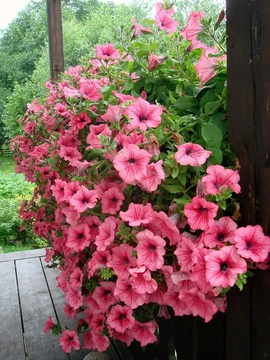
Dianthus caryophyllus
A fragrant Mediterranean flower with deep cultural and symbolic significance.

Dianthus caryophyllus, commonly known as carnation or clove pink, is a species of Dianthus native to the Mediterranean region. Its exact natural range is uncertain due to extensive cultivation over the last 2,000 years, but wild carnations are most common in the Mediterranean. Carnations are prized for their wide variety of colors, delicate fringed petals, and fragrance often described as spicy, clove-like, or reminiscent of cinnamon and nutmeg, making them popular in perfumes, potpourri, and scented products. Culturally, carnations are associated with affection, distinction, and maternal love, with variations depending on color and region.
- Scientific name
- Dianthus caryophyllus
- Common names
- Carnation, clove pink
- Native region
- Mediterranean (Portugal, Spain, Italy, Croatia, Albania, Greece, Turkey)
- Plant type
- Herbaceous perennial
- Height
- Up to 80 cm (32 in)
- Flower diameter
- 3–5 cm (1¼–2 in)
- Original flower color
- Bright pinkish-purple
Lore & Background
Carnations were mentioned in Greek literature 2,000 years ago. The term dianthus was coined by Greek botanist Theophrastus, from the Ancient Greek words for divine ('dios') and flower ('anthos'). The name 'carnation' is believed to come from the Latin corona, meaning 'wreath, garland, chaplet, crown', as it was used in Greek and Roman ceremonial crowns, or possibly from the Latin caro (genitive carnis), 'flesh', referring to the natural color of the flower, or in Christian iconography incarnatio, 'incarnation'. Although originally applied to this species, the name carnation is also often applied to other species of Dianthus and to garden hybrids.
Reader's Guide
Dianthus caryophyllus has been cultivated for over 2,000 years, making its exact natural range uncertain. It is a herbaceous perennial with glaucous leaves and fragrant, hermaphrodite flowers that are typically bright pinkish-purple in the wild, though many color cultivars exist. The plant requires well-drained, neutral to slightly alkaline soil and full sun. Carnations have been used for medical purposes, such as for upset stomach and fever, and historically their fragrance was used in vinegar, beer, wine, sauces, and salads. Crossbreeding with D. capitatus has produced hybrids resistant to bacterial wilt, though further breeding is needed to improve flower appearance. The flower is the national flower of Spain, Monaco, and Slovenia, and the state flower of Ohio. It is also the birth flower for January and the traditional first wedding anniversary flower.
Did You Know?
- The name 'carnation' may derive from the Latin corona, meaning 'wreath' or 'crown', as it was used in Greek and Roman ceremonial crowns.
- The carnation is the national flower of Spain, Monaco, and Slovenia, and the state flower of Ohio.
Frequently Asked Questions
Who is Dianthus caryophyllus?
Dianthus caryophyllus is a herbaceous perennial flower most people know simply as the carnation or clove pink, native to the Mediterranean basin. It reaches roughly 80 cm in height and produces small, fringed blooms about 3 to 5 cm across.
What are Dianthus caryophyllus's powers or role?
The carnation's standout 'ability' is its intensely spicy, clove- and cinnamon-like fragrance, which makes it a workhorse in perfumery and potpourri. Its wide color range and long vase life also give it a starring role in cut-flower arrangements and seasonal bouquets.
How does Dianthus caryophyllus's story end?
As a true perennial, a carnation plant keeps returning season after season rather than fading after a single bloom. Its exact wild population is now hard to pin down, though, because humans have selectively bred and spread it across the globe for roughly two thousand years.
Why is Dianthus caryophyllus important?
Carnations carry layered symbolic meaning in many cultures, standing for affection, distinction, and maternal love. They are also one of the most commercially significant cut flowers in the world, anchoring the florist and wedding industries.
Where does Dianthus caryophyllus originate?
Wild carnations are most commonly encountered across the Mediterranean, spanning Portugal, Spain, Italy, Croatia, Albania, Greece, and Turkey. Centuries of cultivation have since sent countless cultivars far beyond that original coastal range.
More in Ornamental & Garden Plants 1-24
Elsewhere in the Ornamental & Garden Plants universe
Spotted an error? Know more?
This is a living reference — every entry is fact-audited, and reader corrections feed straight into our audit queue. Suggest an edit · See this site's audit record