Dianthus
A genus of flowering plants known for carnations and pinks.

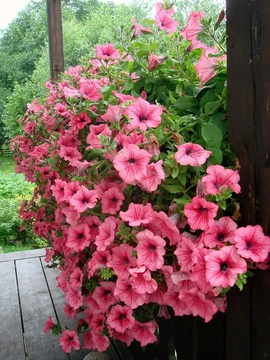
Common names include carnation, pink, and sweet william. The species are mostly herbaceous perennials, with opposite leaves and five-petaled flowers, typically pale to dark pink, though one species has yellow flowers with a purple centre.
- family
- Caryophyllaceae
- native_range
- mainly Europe and Asia, also northern and southern Africa, arctic North America
- common_names
- carnation, pink, sweet william
- flower_color
- mostly pale to dark pink; one species yellow with purple centre
- growth_form
- mostly herbaceous perennials, some annual or biennial, some low subshrubs
Lore & Background
The name Dianthus is from the Greek διόσανθος, a compound from Δῖος Dios ('of Zeus') and ἄνθος anthos ('flower'), cited by the Greek botanist Theophrastus. The colour pink may be named after the flower, coming from the frilled edge of the flowers; the verb 'to pink' dates from the 14th century and means 'to decorate with a perforated or punched pattern'. Alternatively, 'pink' may be derived from the Dutch 'pinksteren' alluding to the season of flowering, meaning 'Pentecost' in Dutch. Thus, the colour may be named after the flower, rather than the flower after the colour.
Reader's Guide
They are often divided into main groups: border carnations, perpetual flowering carnations, Malmaison carnations, old-fashioned pinks, modern pinks, and alpine pinks. In the language of flowers, pink Dianthus symbolize boldness. Dianthus japonicus is the official flower of Hiratsuka, Kanagawa, Japan. In Japan, Dianthus superbus – the fringed pink or nadeshiko – is used in the term Yamato nadeshiko to describe the archetype of a traditional ideal woman.
Did You Know?
- Dianthus species are used as food plants by larvae of Lepidoptera including cabbage moth, double-striped pug, large yellow underwing, and the lychnis.
- Three species of Coleophora case-bearers feed exclusively on Dianthus: C. dianthi, C. dianthivora, and C. musculella.
- The name Dianthus is from the Greek for 'flower of Zeus'.
- At least two species are introduced in North America: Dianthus armeria and Dianthus deltoides.
Frequently Asked Questions
What do Dianthus plants look like?
Most species are herbaceous perennials with opposite leaves and five-petaled blooms that range from pale to deep pink. A single exception produces yellow flowers with a purple center, while a few members grow as low subshrubs or complete their life cycle in one or two seasons.
Where is Dianthus native to?
The genus is primarily native to Europe and Asia, though a handful of species extend into northern and southern Africa. One species even reaches as far as arctic North America.
What are the common names for Dianthus?
Gardeners and florists most often refer to Dianthus species as carnations, pinks, or sweet williams, depending on the particular variety being grown.
More in Ornamental & Garden Plants 1-24
Elsewhere in the Ornamental & Garden Plants universe
Spotted an error? Know more?
This is a living reference — every entry is fact-audited, and reader corrections feed straight into our audit queue. Suggest an edit · See this site's audit record