Hibiscus
Genus of flowering plants known for large, showy blooms.

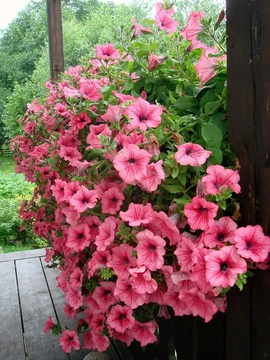
Hibiscus is a genus of flowering plants in the mallow family, Malvaceae, comprising several hundred species native to warm temperate, subtropical, and tropical regions worldwide. The genus includes annual and perennial herbaceous plants, woody shrubs, and small trees, renowned for their large, showy flowers. Several species are widely cultivated as ornamentals, notably Hibiscus syriacus and Hibiscus × rosa-sinensis.
- field
- Botany
- known_for
- Large, showy flowers; ornamental cultivation; use in beverages, paper, rope, and folk medicine
- native_regions
- Warm temperate, subtropical, and tropical regions worldwide
- common_names
- Hibiscus, rose mallow
Lore & Background
The generic name derives from the Greek ἱβίσκος (hibískos), used by Greek botanist Pedanius Dioscorides for a plant now called Althaea officinalis. The leaves are alternate, ovate to lanceolate, often with toothed or lobed margins. Flowers are trumpet-shaped with five or more petals, ranging from white to pink, red, blue, orange, peach, yellow, or purple, and 4–18 cm broad. In some species, such as H. mutabilis and H. tiliaceus, flower color changes with age. The fruit is a dry five-lobed capsule that splits open at maturity, releasing seeds. Several species are cultivated as ornamentals. In temperate zones, Hibiscus syriacus is commonly grown; in tropical and subtropical areas, the Chinese hibiscus (H. × rosa-sinensis) and its hybrids are most popular. The yellow hibiscus is the state flower of Hawaii, though the most commonly seen hibiscus there is H. × rosa-sinensis. Hibiscus syriacus is the national flower of South Korea, and H. × rosa-sinensis is the national flower of Malaysia. Hibiscus brackenridgei is the state flower of Hawaii.
Reader's Guide
Hibiscus species have diverse uses. Many are grown as landscape shrubs to attract butterflies, bees, and hummingbirds. The plant is hardy and versatile, adapting to balcony gardens and pots, flowering perennially in tropical conditions. One species, kenaf (Hibiscus cannabinus), is extensively used in paper-making. The inner bark of sea hibiscus (Hibiscus tiliaceus) is used in Polynesia for rope and canoe floats. The calyces of Hibiscus sabdariffa are used to make a tart, red tea known by many names worldwide, including bissap, agua de jamaica, sorrel, karkadé, and sobolo. Dried hibiscus calyces are edible and used as a garnish or delicacy in Mexico. The roselle (H. sabdariffa) is used as a vegetable, and H. suratensis is used as a souring ingredient in Philippine cooking. In folk medicine, Hibiscus × rosa-sinensis has uses in Indian Ayurveda. Sour teas from H. sabdariffa have been claimed to lower blood pressure. However, animal studies have shown that extracts of H. sabdariffa and H. × rosa-sinensis may affect muscle tone and fertility, and are not recommended during pregnancy. H. sabdariffa may interact with drugs such as diclofenac and chloroquine, altering their pharmacokinetics. The red hibiscus is the flower of the Hindu goddess Kali and is used as an offering in Hindu worship. In the Philippines, children use crushed hibiscus flowers and leaves to make bubbles. Pacific island women traditionally wear the flower behind the left ear if married or behind the right if single. The hibiscus is a national symbol of Haiti and the national flower of the Solomon Islands and Niue.
Did You Know?
- The generic name comes from the Greek ἱβίσκος, used by Dioscorides for a plant now called Althaea officinalis.
- Hibiscus syriacus is the national flower of South Korea, and Hibiscus × rosa-sinensis is the national flower of Malaysia.
- The tea made from Hibiscus sabdariffa calyces is known as bissap, agua de jamaica, sorrel, karkadé, and sobolo in different regions.
- In the Philippines, children use crushed hibiscus flowers and leaves with hollow papaya stalks to blow bubbles.
More in Ornamental & Garden Plants 1-24
Elsewhere in the Ornamental & Garden Plants universe
Spotted an error? Know more?
This is a living reference — every entry is fact-audited, and reader corrections feed straight into our audit queue. Suggest an edit · See this site's audit record